Vegan Leather Explained: Myths, Facts, and Environmental Impact
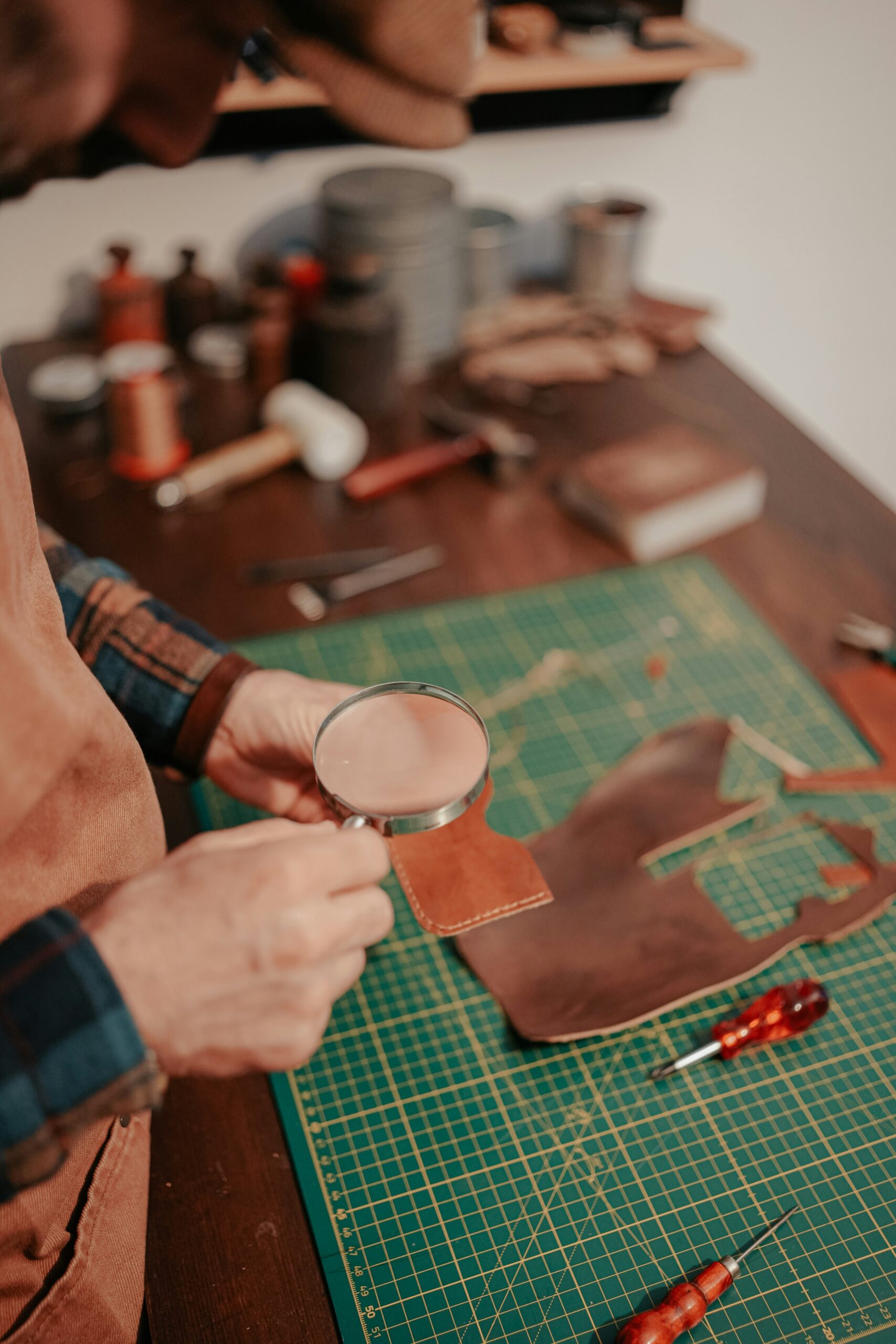
We’ve been working with leather for over 70 years, and it’s fair to say we know the material inside out. We’re passionate about leather done the right way – using hides that are a by-product of the meat industry, and favouring traditional vegetable tanning to create pieces built to last decades, not seasons.
Over the years, we’ve seen plenty of trends sweep through the fashion world. One of the biggest lately? The surge in so-called “cruelty-free” or vegan leather. It’s often marketed as the planet-friendly choice – a feel-good option for those looking to shop more sustainably.
But here’s the thing: once you look beyond the label, the picture isn’t nearly as simple. Not all faux leathers are created equal, and many are far from the green alternative they claim to be. So, let’s take a closer look.
What Is Vegan Leather Made From?
Vegan leather is really just an umbrella term. The most common types are made from PVC (polyvinyl chloride) or PU (polyurethane) – both plastics derived from fossil fuels.
Even the newer plant-based options, like pineapple leaf fibre (Piñatex), cactus leather, or apple-waste leather, usually rely on plastic binders to hold them together and make them durable. Without those, they simply don’t last long enough to be practical.
Vegan Leather vs Real Leather: The Durability Issue
A good leather jacket or bag can last decades with the right care. Vegan leathers – especially PU-based ones – tend to wear out much faster, peeling, cracking, or splitting after only a few years.
That short lifespan is a hidden sustainability problem. Replace something two or three times over the life of a real leather equivalent, and the environmental impact starts to add up – not to mention the extra cost to you.
End of Life: The Plastic Problem
Most vegan leathers aren’t biodegradable. When they wear out, they either sit in landfill for decades or break down into harmful microplastics that find their way into waterways and oceans.
In contrast, vegetable-tanned real leather – especially when it’s a by-product of the meat industry – will break down naturally over time without leaving plastic waste behind.
Why “Vegan” Doesn’t Always Mean “Eco-Friendly”
The fashion industry is in love with the idea of “vegan leather” because it ticks so many marketing boxes: cruelty-free, on trend, easy to produce at scale, and cheaper than real leather. But “vegan” has become a shorthand for “sustainable” in the minds of many consumers. The trouble is, that leap often skips over the reality of what’s in the product and how it’s made.
Brands can call a PU handbag “vegan leather” and promote it as ethical, all while avoiding discussion of the fossil fuels, chemical processes, and landfill legacy it leaves behind.
Leather Done Right
The leather we use isn’t farmed for its own sake. It’s a by-product of the meat industry — hides that would otherwise be wasted. By using them, we extend the value of the resources already consumed, turning them into long-lasting products.
When we pair that with traditional vegetable tanning, we create leather that not only lasts for decades, but also breaks down naturally at the end of its life. It’s a material with centuries of proven performance – no petrochemicals required.
Choosing What Matters to You
If your values mean avoiding animal products completely, vegan leather will always be your choice. But if your priority is sustainability, it’s worth asking: what’s the product made from, how long will it last, and what happens to it at the end of its life?
Because sometimes, the most sustainable option isn’t the newest material on the market — it’s the one that’s been doing the job for hundreds of years