An Interview with David Malone, Sourcing Director at Lakeland Leather

On craft, consistency, and what truly defines great leather
Behind every Lakeland Leather jacket, bag, and accessory is a process that begins long before design sketches or sampling. It starts with the leather itself and with the people who understand it intimately.
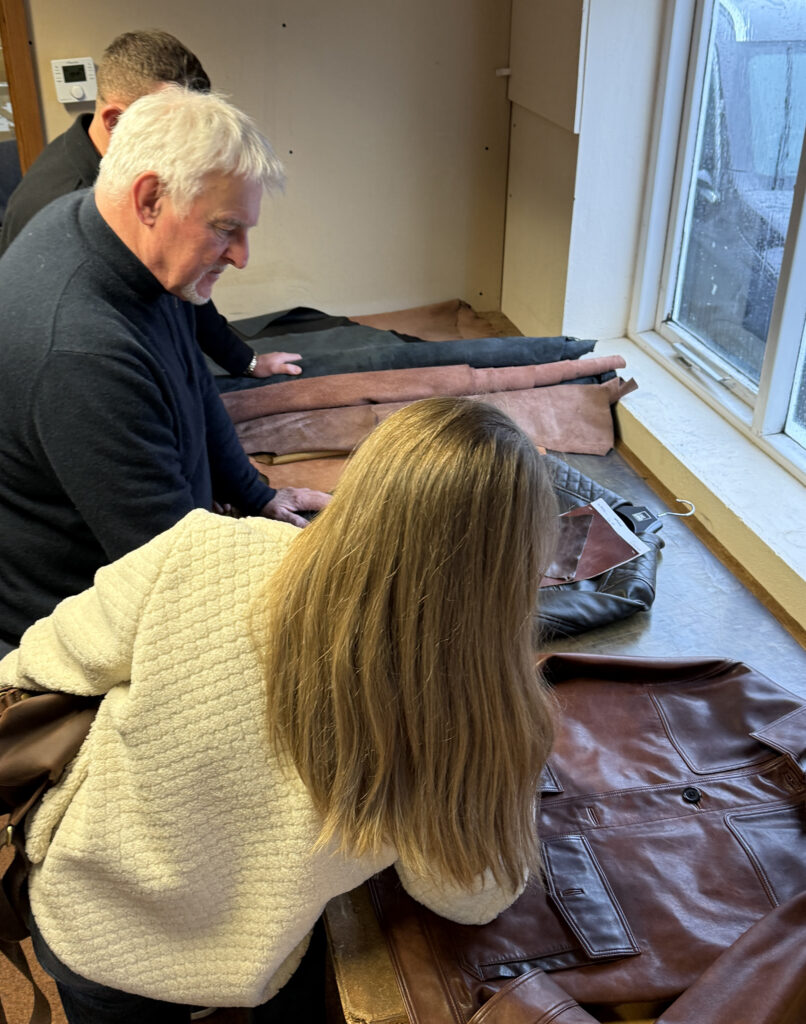
David Malone, our Sourcing Director, has spent over 50 years working with leather. Having been with Lakeland Leather for more than a decade, David oversees how and where our leather is sourced, ensuring every skin meets our exacting standards for quality, longevity, and responsibility. We sat down with him to talk about his role, his experience, and what really goes into sourcing leather that stands the test of time.
Can you explain your role at Lakeland Leather and what sourcing our leather involves?
I’m David, the Sourcing Director here at Lakeland Leather, and I’ve been with the business for over ten years. My role is to source the very best quality leather skins for our products and to oversee that entire journey, from the raw hide through to the finished garment.
Sourcing isn’t just about buying leather. It’s about understanding the end product, the design intent, and how the leather needs to perform over time. Every decision we make at this stage has a direct impact on how a jacket wears, how a bag ages, and how long a product will last.
‘It’s an incredible craft, and I’ve now been involved in the leather industry for over 50 years.‘
How did you first get into leather sourcing, and what drew you to this side of the craft?
Leather has always been part of my life. My father owned a leather and sheepskin manufacturing company in the UK, and I grew up around it. After school, I’d help out in the factory for about 25p an hour sorting offcuts and learning the basics from the ground up.
What fascinated me then, and still does now, is the transformation. Leather starts as a by-product of the food chain, and through 40 to 50 individual processes it becomes something beautiful: a jacket, a handbag, an accessory that can last for decades. It’s an incredible craft, and I’ve now been involved in the leather industry for over 50 years.
What does “good leather” mean to you, beyond look and feel?
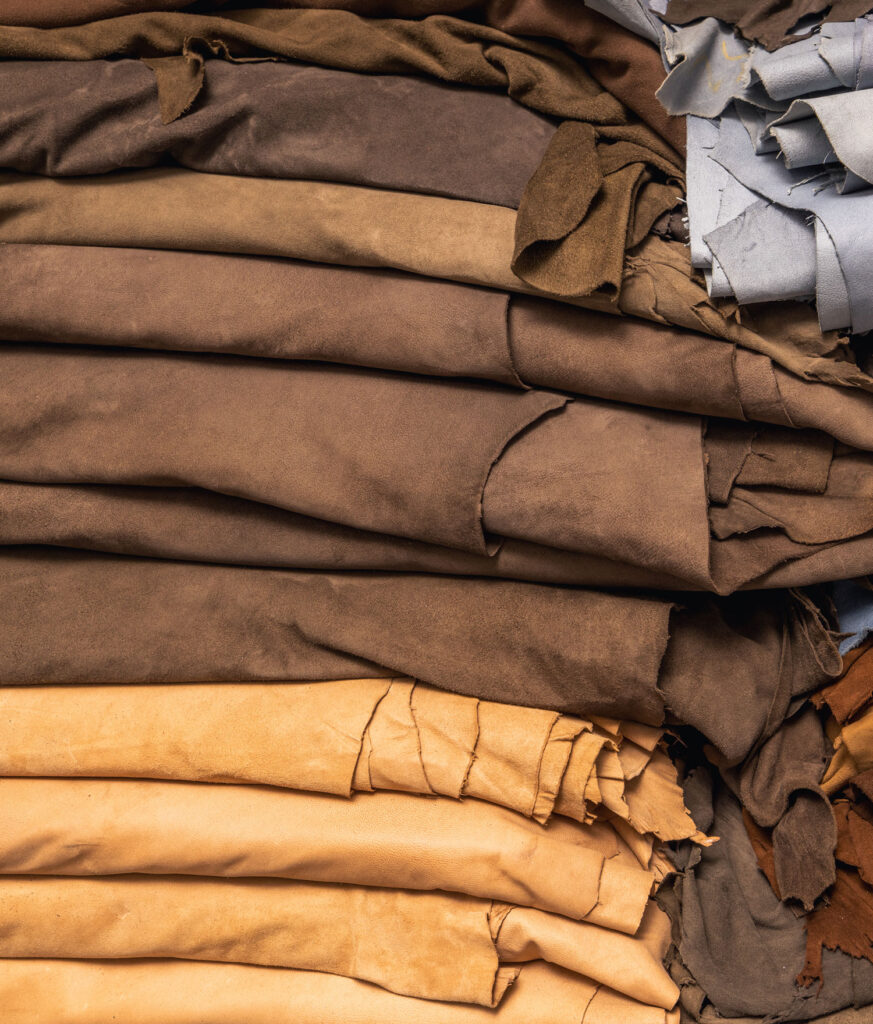
Good leather is leather that has been properly processed, with care and respect at every stage. It’s leather that follows the rules; technically, ethically, and practically so that it can be worked with to create a great end product.
Truly great leather brings out the best of the skin’s natural qualities rather than masking them. It respects the character of the hide, instead of trying to force uniformity where it doesn’t belong.
Where do we source our leather from, and why have we chosen those regions and tanneries?
We work primarily in the Middle East and parts of Asia, where there is a deep concentration of specialist tannery facilities and skilled craftsmanship. There are no longer any commercial tanneries in the UK, and only a small number left in Europe.
India, in particular, has a long history of leather craft and tanning expertise. Italy is well known for furniture and upholstery leathers, while China tends to focus more on mass-produced products. For us, it has always been about working with the best people for the type of product we want to create.
Some of our tannery and factory relationships go back over 30 years. These long-term partnerships allow us to work in small batches, achieve greater consistency, and maintain far more control over the supply chain. Unlike many brands, we don’t buy through middle-men we work directly with the people making our leather.
What are the key things you look for when deciding whether a hide is good enough for Lakeland Leather?
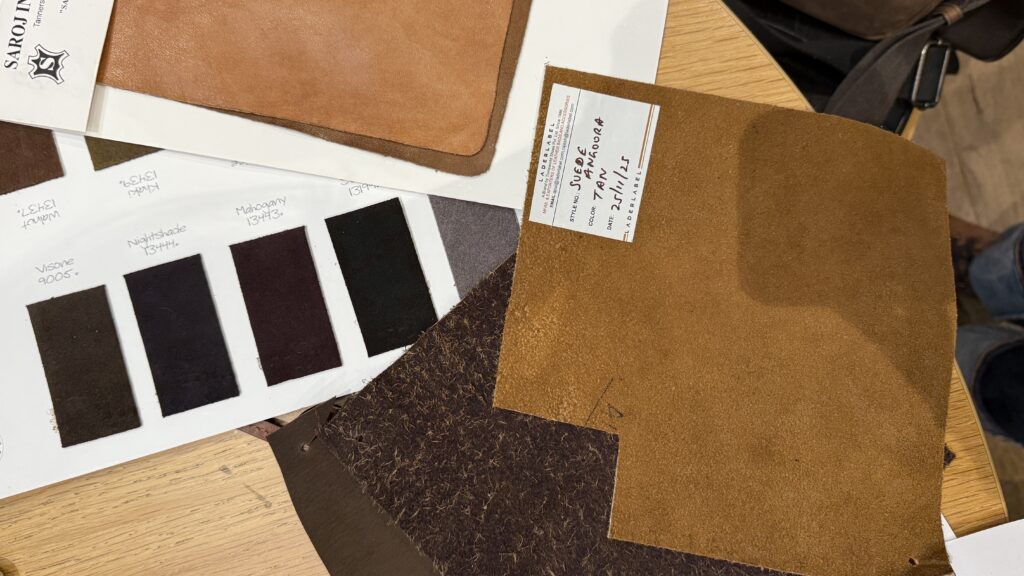
We always start with the end in mind, what we want the finished product to look and feel like. Design begins with the skin itself.
Every hide is unique, so we look closely at size, natural characteristics, grain, and how the leather will behave once it’s cut and constructed. The leather, the design, and the manufacturing process all need to work in harmony.
Traceability is also critical. We only work with audited tanneries, including Leather Working Group -certified facilities, so we have confidence in both the quality and the process behind every skin.
‘By keeping full oversight from start to finish, we ensure Lakeland Leather products meet the same standard, season after season.‘
How do you maintain consistency across different batches of leather?
Consistency comes from relationships and control. Because we’ve worked with the same tanneries and factories for many years, we visit them regularly and build collections together rather than simply placing orders.
We maintain consistency by sourcing from the same origins, the same animal types, and the same trusted facilities. We also employ our own quality control teams – we don’t outsource this. Every single garment is checked, not just a small percentage of them, which is common elsewhere in the industry.
By keeping full oversight from start to finish, we ensure Lakeland Leather products meet the same standard, season after season.
Leather and sustainability are often misunderstood. How do you view leather as a responsible material?
All of our leather comes from a by-product of the food chain. Nothing is farmed solely for leather, and using this material responsibly prevents waste.
Leather is also inherently long-lasting. With proper care, it can be worn and enjoyed for decades, making it a true investment rather than a disposable product. We work closely with the Leather Working Group to ensure our processes are regularly audited and continuously improving.
Any waste material is reused where possible, often for smaller products like gloves and accessories, and by selecting high-quality skins from the outset we minimise waste overall.
What do our long-term relationships with tanneries mean for quality and trust?
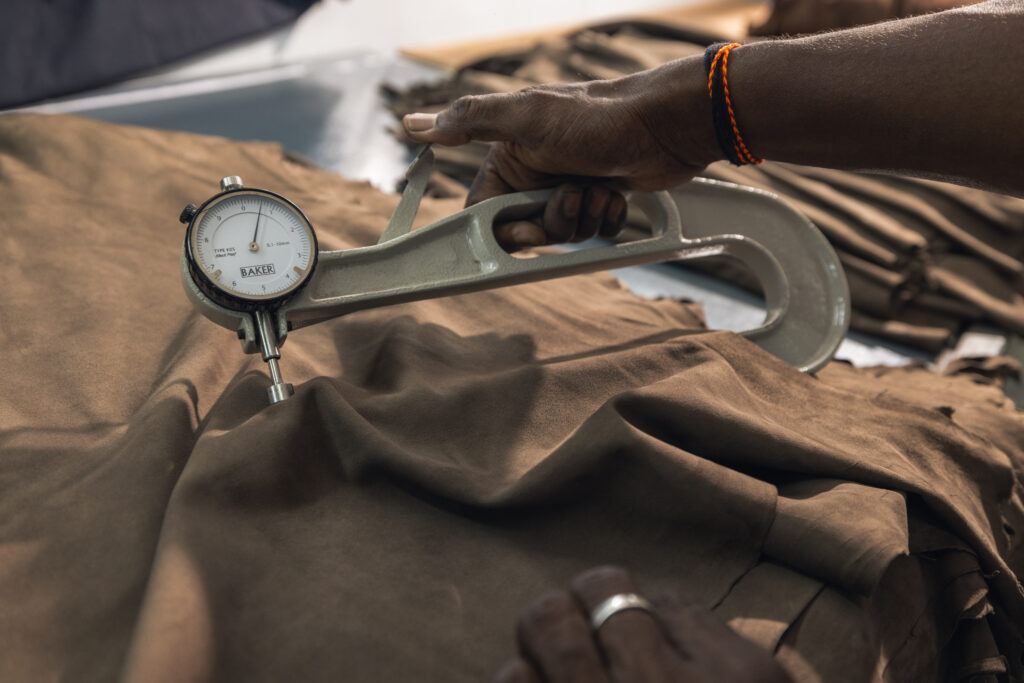
They mean everything. A leather jacket can take months to produce from raw hide to finished garment and the tanning process alone takes around 35 days before the leather is even ready to use.
These are long, considered processes. This is slow fashion by definition.
Because our partners understand our expectations, values, and product standards, there’s a shared commitment to doing things properly. We invest time in these relationships, and that trust is reflected in the consistency and quality of our leather.
How does leather improve with age, and what role does sourcing play in that?
Leather is a living, natural material. It moves with you, softens at the elbows and collar, and gradually moulds to your body almost like a second skin.
The right leather doesn’t just look good when it’s new. It looks even better 20 or 30 years down the line. That longevity starts with sourcing: selecting skins that will wear beautifully, finishes that won’t rub off, and leathers that can be cared for, polished, and restored over time.
How does our approach to sourcing support the Lakeland Leather Guarantee?
Our guarantee is built on quality, process, and trust. Because we have visibility across the entire supply chain, from tannery to finished product there’s a huge safety net built into how we work.
We know our leather, we know where it comes from, and we know how it’s made. That’s why we can confidently stand behind every product we sell with the Lakeland Leather Guarantee.